
THE LOCATION
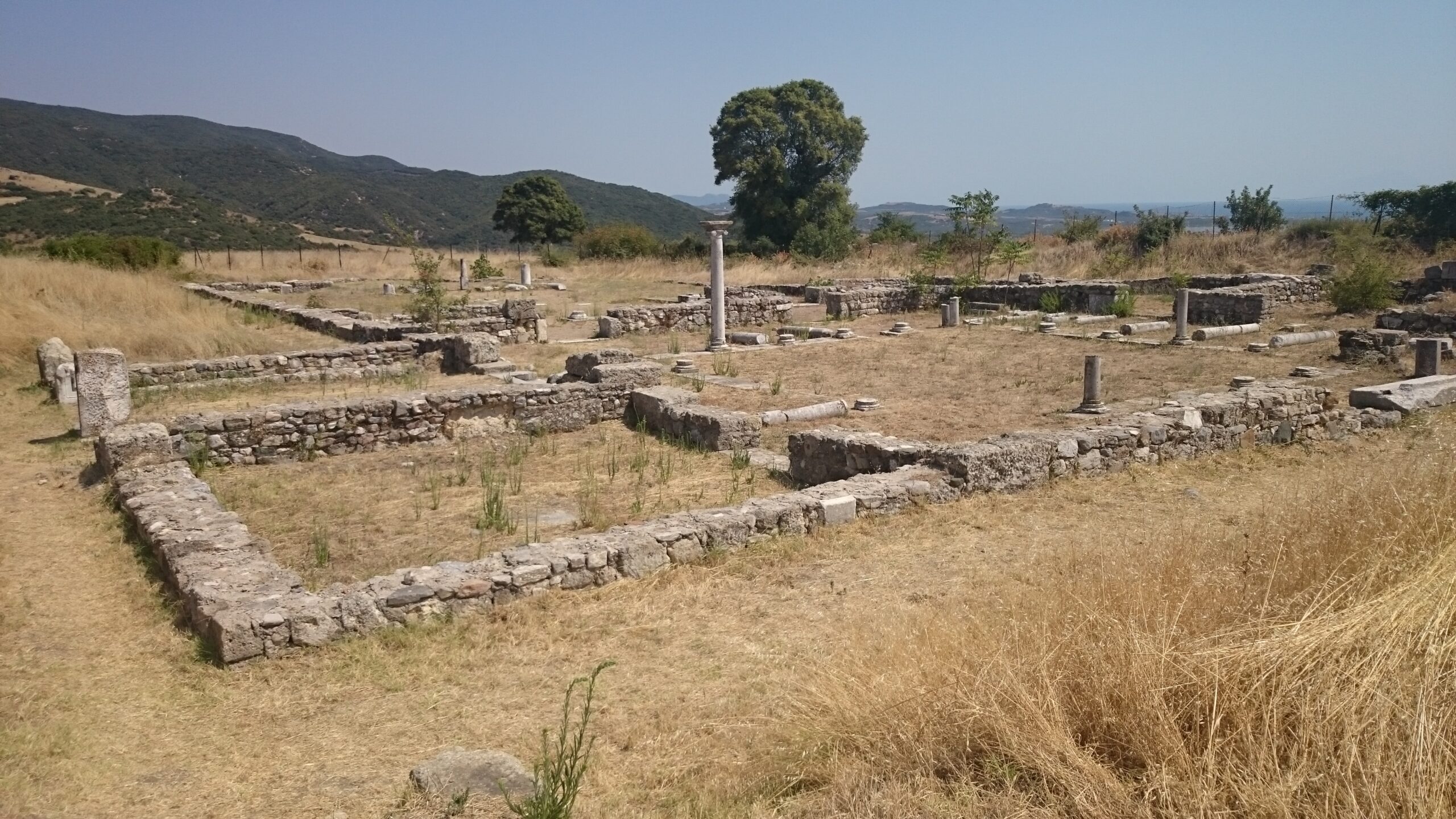
Ancient Amphipolis is a major archaeological site near the modern town of Amphipolis, on the banks of the Strymonas River.
Founded in the 5th century BC, the city held a strategic position and played a key role in ancient Greek history, especially in the Classical and Hellenistic periods.
ARCHAEOLOGICAL HIGHLIGHTS
MONUMENT
LION OF AMPHIPOLIS
The site’s most famous monument: a large marble lion believed to have marked the tomb of an important figure, possibly a Macedonian general.
DISCOVERED 2012
KASTA TOMB
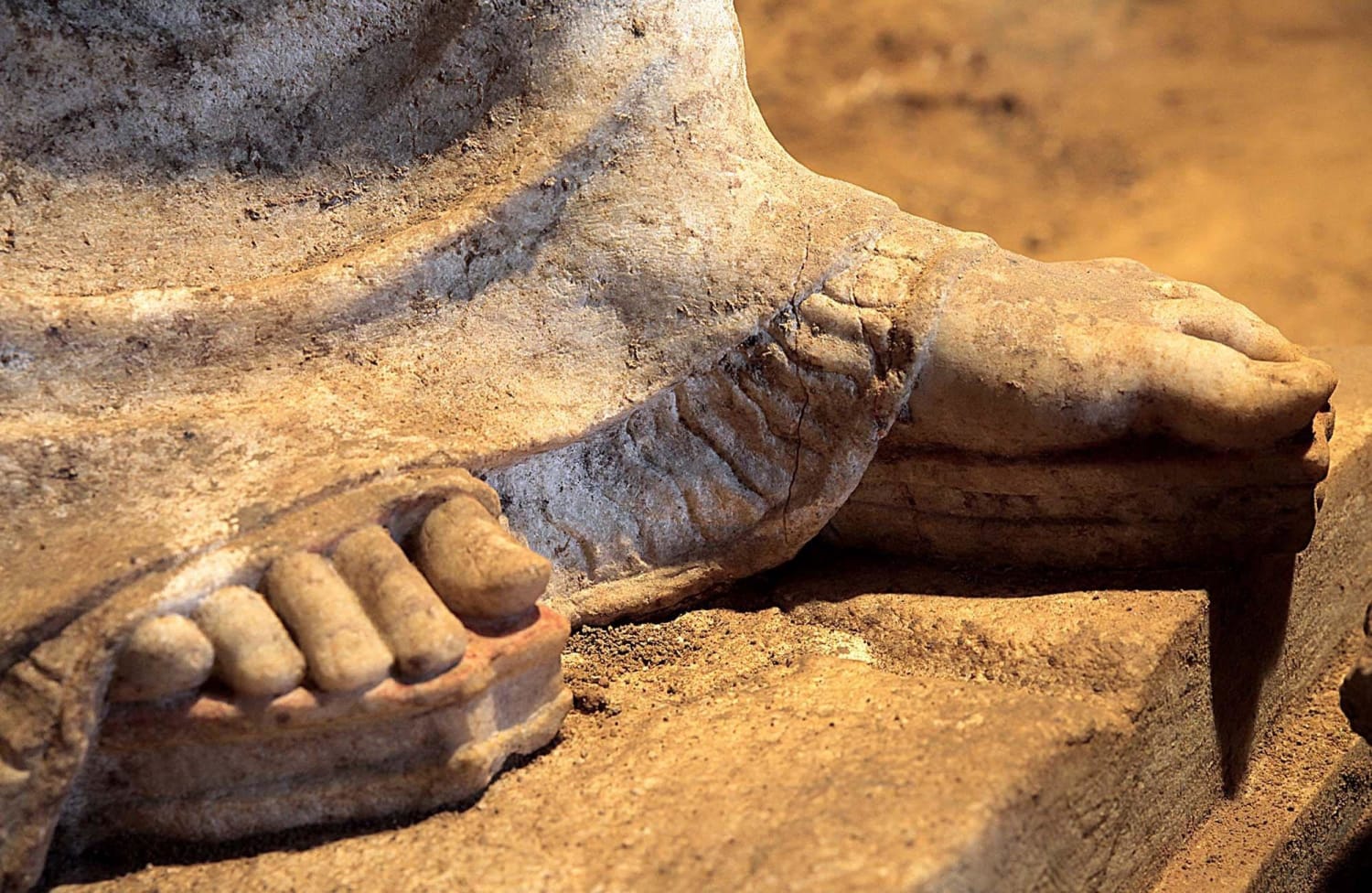
One of the most important finds of recent years – a huge burial mound with marble sphinxes, caryatids and a mosaic floor, built for a person of very high status.
DEFENCES
CITY WALLS & TOWERS
Remains of the ancient walls and towers show how Amphipolis defended itself against invaders.
HISTORY
ATHENIAN COLONY
HISTORICAL SIGNIFICANCE
Founded by the Athenians as a military and trading colony near the river and key trade routes, it grew into an important commercial hub linked by land and sea.
CONFLICT
STRATEGIC IMPORTANCE
A focal point of several wars, including the Peloponnesian War, and fought over by Athenians and Macedonians alike.
PEOPLE
CULTURE & SOCIETY
Home to Greeks, Thracians and later Romans. Artefacts, pottery and inscriptions tell the story of daily life, religion and trade.
VISIT
Ancient Amphipolis is a fascinating window into the rich history and heritage of northern Greece.
TODAY
MODERN EXPLORATION
A major archaeological and tourist destination, with ongoing excavations. The nearby museum holds many of the most important finds – an essential stop.
LANDSCAPE
NATURAL SURROUNDINGS
Fertile plains and rolling hills – the same land that made the ancient city prosper – make the visit even more beautiful.
Race through Northern Greece